Professionelles Zahnbleaching vs Home Kits: Safety, Results and Costs in Switzerland
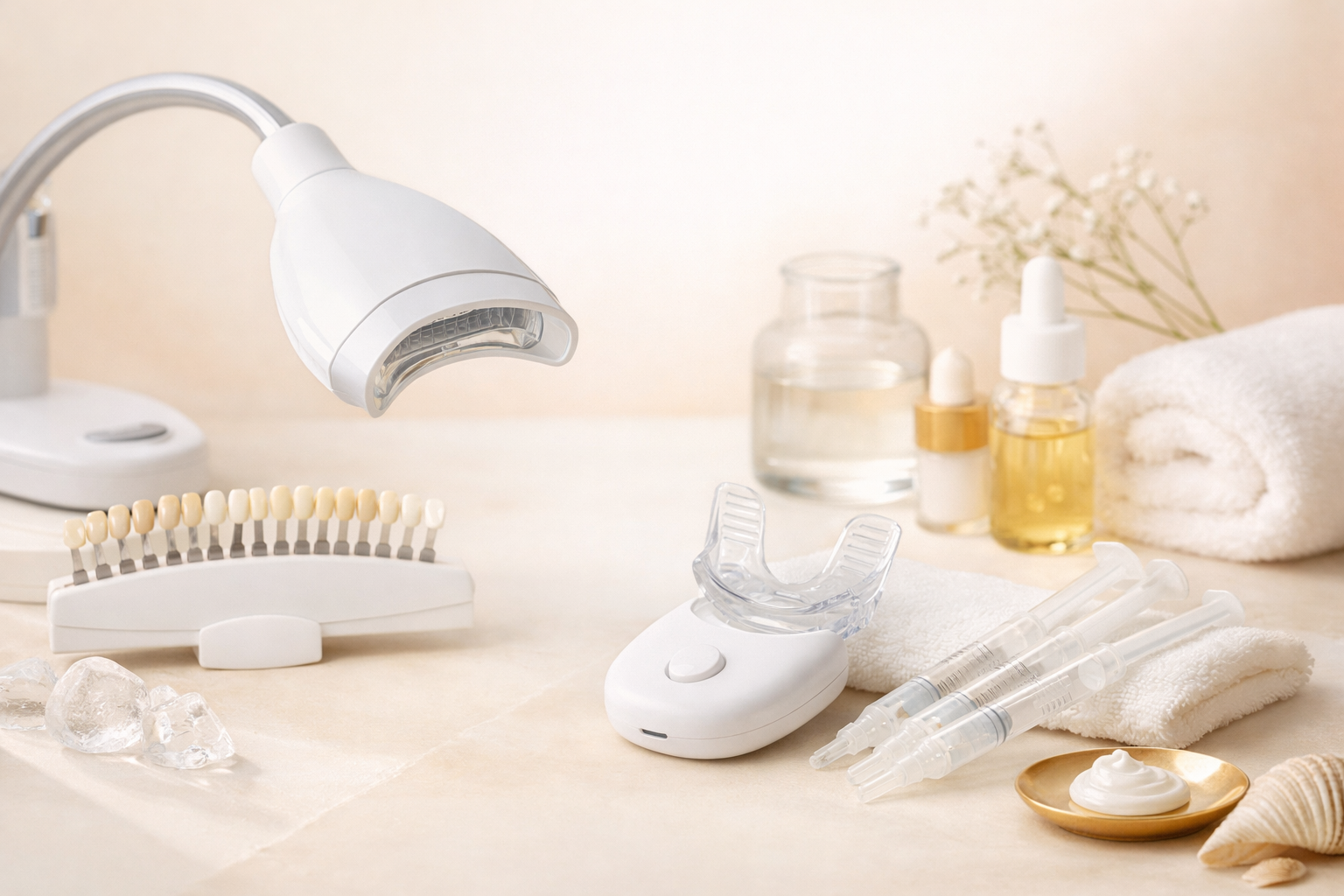
Many people want a whiter smile, but the choice is not always straightforward. Is a low-cost home kit enough, or is professionelles Zahnbleaching the safer and more effective option? For Swiss consumers, the decision usually comes down to four things: safety, visible results, convenience, and budget.
The short answer is that both professional treatment and at-home whitening can have a place. But they are not equal in terms of control, predictability, or risk. And not every type of tooth discoloration responds well to bleaching in the first place.
This guide compares teeth whitening vs home kit options in practical terms, including risks, expected results, and realistic Zahnaufhellung Kosten Schweiz.
Why this comparison matters
When people compare Bleaching beim Zahnarzt with a Home-Kit Zahnaufhellung, they are usually asking a sensible question: what is the best balance between cost, safety, and outcome?
In Switzerland, the comparison is especially relevant because aesthetic dental care can vary in price, and online products are widely available. A home kit may look attractive because the upfront spend is lower and the treatment seems simple. Professional whitening, on the other hand, offers assessment, supervision, and a more tailored approach.
A key point is that whitening does not work equally well for every type of discoloration. Surface stains from coffee, tea, tobacco, or red wine may improve quite well. Yellow-toned teeth often respond better than grey-toned teeth. By contrast, internal discoloration, trauma-related darkening, or some medication-related stains can be much less predictable.
That is why the real question is not only what costs less today, but what is likely to be safe and worthwhile for your own teeth.
What is professional teeth whitening?
Professional teeth whitening means treatment carried out or supervised by a dental professional. In practice, this can include in-office whitening as well as dentist-supervised take-home systems with custom trays.
How in-office whitening usually works
A typical professional whitening appointment starts with a consultation and oral examination. The purpose is to check whether bleaching is appropriate and whether any dental issues need attention first.
The process often includes:
- a review of your dental history and sensitivity
- an oral examination to check teeth and gums
- shade assessment and photos in some cases
- discussion of realistic outcomes
- protection of the gums and soft tissues
- application of a whitening gel
- sometimes a light-assisted protocol, depending on the system used
- follow-up instructions and aftercare advice
A professional may also recommend a cleaning before treatment if plaque and surface stains are affecting the starting shade.
Dentist-supervised take-home trays are different from retail kits
There is an important middle category that many consumers overlook: take-home whitening provided under dental supervision. This is still a professional route.
With this option, custom-made trays are prepared to fit your teeth more precisely than generic trays bought online or in shops. You receive instructions on how often to use the gel, how long to wear the trays, and what to do if sensitivity occurs. That makes it very different from unsupervised retail whitening products.
What are home whitening kits?
Home whitening products cover a wide range of formats, including:
- whitening strips
- LED kits
- whitening pens
- gels
- mouth trays
- whitening toothpastes
These products vary enormously in active ingredients, concentration, fit, comfort, ease of use, and safety controls. Some are designed mainly to lift or reduce external surface stains. Others aim to chemically lighten the tooth shade.
Whitening toothpastes are a good example of this difference. They can help remove superficial staining over time, but they do not usually create the same level of shade change as peroxide-based whitening systems.
This wide variation is one reason results from home kits can be unpredictable. Two products sold for the same purpose may work in very different ways.
Safety: which option is safer?
If the question is ist Zahnbleaching sicher, professionally supervised whitening is generally the safer choice.
The main reason is simple: a dental assessment can identify whether bleaching is suitable before treatment begins. That matters because there are several issues that should be screened first, including:
- tooth decay or untreated cavities
- exposed roots
- gum inflammation or periodontal problems
- cracks in the teeth
- leaking or defective fillings
- enamel wear
- untreated tooth sensitivity
If these problems are missed, whitening may cause more discomfort or lead to uneven results.
Common side effects of both options
Even when whitening is appropriate, temporary side effects can happen with both professional and home methods. The most common are:
- tooth sensitivity
- gum irritation
- patchy or uneven whitening when the product is used incorrectly
These effects are often short term, but they can be more likely when a home kit is misused. Ill-fitting trays, overuse, repeated applications, or leaving products on longer than directed can all increase irritation risk.
That does not mean all home kits are unsafe, or that professional treatments are risk-free. It means the margin for error is usually smaller with professional supervision.
Effectiveness and results compared
In-office whitening usually delivers faster and more controlled results than a retail home kit. The treatment is performed in a structured setting, the gums are protected, and the protocol is chosen based on your oral condition and starting shade.
Home kits can still help in selected cases, especially for mild external staining, but they generally take longer and results vary more from person to person.
Which stains respond best?
Whitening tends to work best on many external stains and on yellow-toned discoloration. Results are often less predictable for:
- grey-toned teeth
- internal discoloration
- trauma-related darkening
- medication-related discoloration
This is one reason an assessment matters. Sometimes what looks like general yellowing is actually a more complex colour change that bleaching alone will not correct well.
Restorations do not whiten like natural teeth
Crowns, veneers, fillings, and bonding do not whiten in the same way as natural enamel. This matters most for visible front teeth.
If your natural teeth become lighter but the restorations stay the same shade, a colour mismatch can become more obvious after treatment. For some people, that is a bigger cosmetic issue than the original staining.
Zahnaufhellung Kosten Schweiz: what does each method cost?
When comparing Zähne aufhellen Kosten, the cheapest headline price rarely tells the full story. Swiss prices vary by region, protocol, and what is included.
Typical Swiss price ranges
Here are realistic approximate ranges in Switzerland:
- Professional in-office whitening: around CHF 400-900
- Dentist-supervised take-home whitening with custom trays: around CHF 250-500
- Retail or online home kits: around CHF 20-150
These are broad guide prices, not fixed tariffs. The final cost can depend on the treatment plan, the complexity of the case, and whether multiple applications or follow-up are included.
What may be included in professional pricing
Professional whitening fees may include more than the bleaching gel itself, such as:
- consultation and oral assessment
- shade evaluation
- a recommendation for cleaning first, if needed
- protective measures for gums and soft tissue
- custom trays for take-home treatment
- one or more whitening applications
- follow-up advice or review
This is why direct price comparison with a retail kit is not always like-for-like. The lower upfront price of a home product may be appealing, but it is not automatically the better value if the result is weak, short-lived, or followed by irritation that requires corrective care.
Which factors affect the price?
Several factors can influence the final cost of Zahnbleaching Schweiz treatment:
- your starting tooth shade
- the severity and type of staining
- the number of sessions needed
- whether custom trays are made
- the location within Switzerland
- the practitioner's qualification and treatment protocol
- whether a dental check-up or cleaning is needed first
Maintenance also matters over time. People who smoke or frequently consume coffee, tea, or red wine often notice relapse sooner and may want occasional top-ups.
It is also important to know that whitening is usually considered an aesthetic treatment and is generally not covered by Swiss basic health insurance.
Who is each option suitable for?
The right route depends on your teeth, your expectations, and how quickly you want to see a change.
Professional bleaching may suit you better if:
- you want faster, more predictable results
- you already have tooth sensitivity concerns
- you have crowns, veneers, bonding, or fillings on visible teeth
- you are not sure what is causing the discoloration
- you want professional guidance if sensitivity occurs
A home kit may suit you better if:
- the staining seems mild and mainly external
- you have realistic expectations
- you are comfortable following instructions closely
- you understand that results may be slower and less consistent
Who should seek dental advice before any whitening?
A dental opinion is especially important before whitening if you are:
- under 18
- affected by gum disease
- living with cavities or untreated decay
- dealing with marked sensitivity
- having restorations on the front teeth
- concerned about possible internal or trauma-related discoloration
This article is a practical guide, not a substitute for an individual dental diagnosis.
How to recognise safe bleaching
Whether you are considering professional treatment or a home product, it helps to use a basic safety checklist.
Practical checklist for safer whitening
Look for:
- a prior oral assessment when appropriate
- clear ingredient information
- realistic claims rather than dramatic promises
- detailed usage instructions
- protection for the gums or soft tissues
- aftercare guidance
- a route for professional support if sensitivity or complications occur
Be cautious with aggressive marketing language such as instant whitening or permanent whitening. Bleaching results are not permanent, and maintenance depends heavily on lifestyle habits and the original cause of discoloration.
A safer decision is usually one based on transparency, realistic expectations, and a clear plan for what to do if your teeth or gums react badly.
Conclusion: what is safer, and what is worth it?
For most people, professionelles Zahnbleaching is the safer and more predictable option because suitability is checked before treatment and the process is more controlled. Home kits can be cheaper and more convenient, but they come with greater variability in product quality, fit, comfort, and misuse risk.
The best value depends on more than the lowest price. It depends on your oral health, the type of discoloration, how quickly you want results, and how much uncertainty you are willing to accept.
If you have mild surface staining and healthy teeth, a carefully chosen home option may be reasonable. If you have sensitivity, visible restorations, unclear discoloration, or want more reliable results, a professional route usually makes more sense.
For Swiss consumers comparing quality, safety, and transparent pricing, the smartest next step is to gather clear treatment information before deciding. BeautyFinder can help you compare qualified aesthetic dental options and ask the right questions about assessment, costs, and aftercare.
FAQ
Is tooth bleaching safe?
Tooth bleaching can be safe when used appropriately, but it is not risk-free. The safest approach is usually professionally supervised whitening because a dental assessment can identify problems such as cavities, gum inflammation, exposed roots, or defective fillings before treatment starts.
What is the difference between professional teeth whitening and a home kit?
Professional whitening is performed or supervised by a dental professional and usually includes an examination, tailored treatment planning, and aftercare advice. Home kits are consumer products used without the same level of assessment or supervision, so results and comfort can vary more.
How much does teeth whitening cost in Switzerland?
Typical Swiss price ranges are around CHF 400-900 for in-office whitening, CHF 250-500 for dentist-supervised take-home trays, and roughly CHF 20-150 for retail or online home kits.
Do whitening toothpastes work?
They can help reduce surface stains, especially from coffee, tea, or tobacco, but they do not usually create the same degree of shade change as peroxide-based whitening systems.
Why do some teeth not respond well to bleaching?
Whitening tends to work better on many external stains and yellow-toned discoloration. Grey, internal, trauma-related, or medication-related discoloration is often less predictable and may not improve as much.
Will crowns, veneers, or fillings whiten too?
No. Restorations such as crowns, veneers, fillings, and bonding do not whiten like natural teeth. After treatment, they may look darker by comparison and create a visible shade mismatch.
Are whitening results permanent?
No. Whitening results fade over time. How long they last depends on your starting shade, the treatment used, and habits such as smoking or frequent consumption of coffee, tea, or red wine.
Should I get my teeth cleaned before whitening?
In many cases, a professional cleaning first can improve the baseline result by removing plaque and superficial staining. It can also help the true starting tooth shade become easier to assess.